Power: What It Is and How to Talk About It
This is a series of academic writings on power currently in progress. In this series, I reveal how how power manifests in individuals, non-government organizations, government, international relations and international organizations. I build a framework for the discussion and analysis of power, which I call the “cultural animal theory of power.”
Throughout my research, I apply the concept of power to a range of abilities from joining a bowling league to obtaining nuclear weapons. My work provides a conceptualization of power which will change how researchers, politicians, and governments interact with the world. It will teach you how to think about power, how to systematically achieve your goals and prioritize your efforts, and ultimately how you can create change.
power is the ability to create change.
I argue that
1/4
To reach that conclusion, I reviewed thousands of years of scholarship on power, contrasting scholars’ thoughts to find out what it isn’t. Through this, I reveal what power is. I go over this process in the first paper of this series:
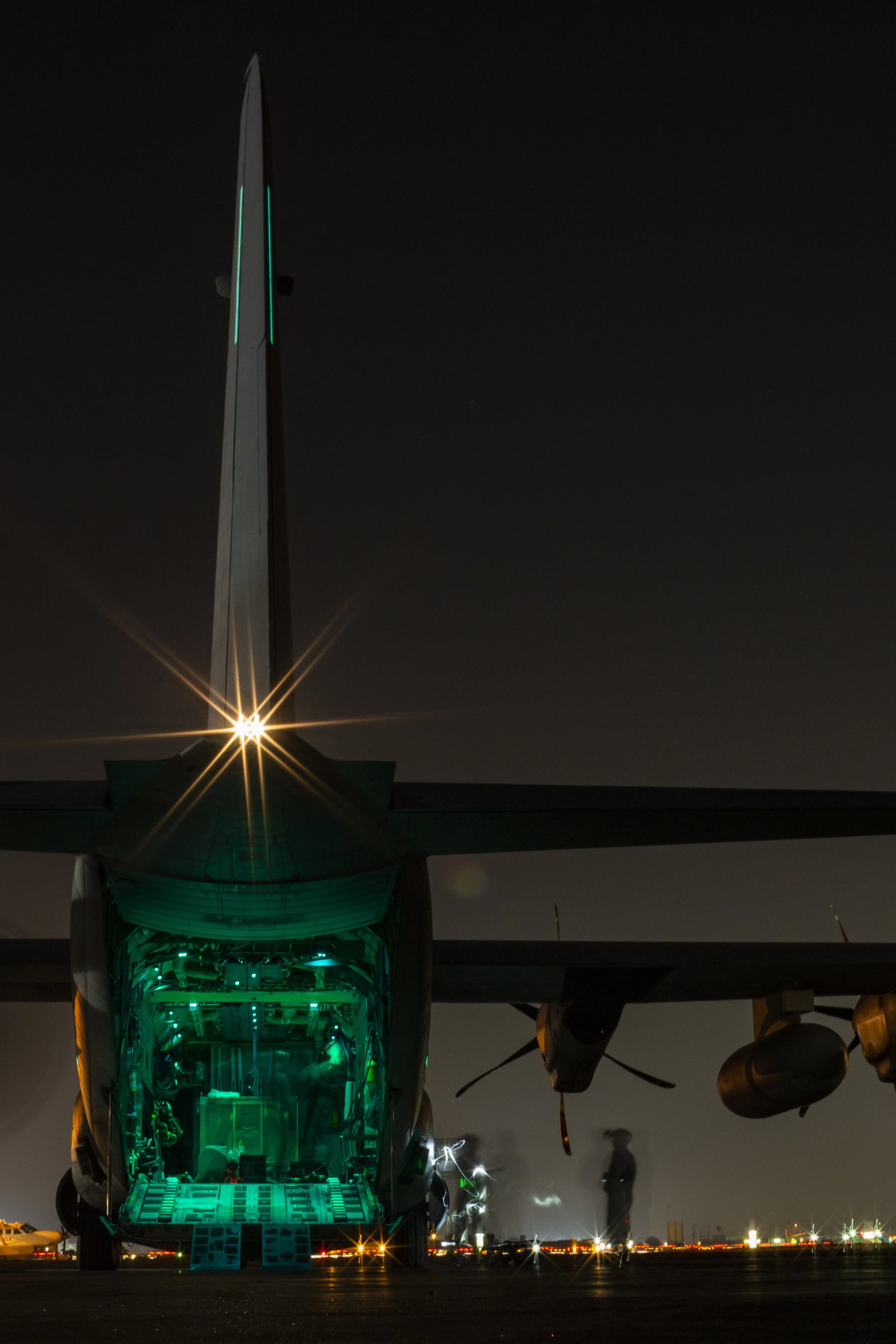
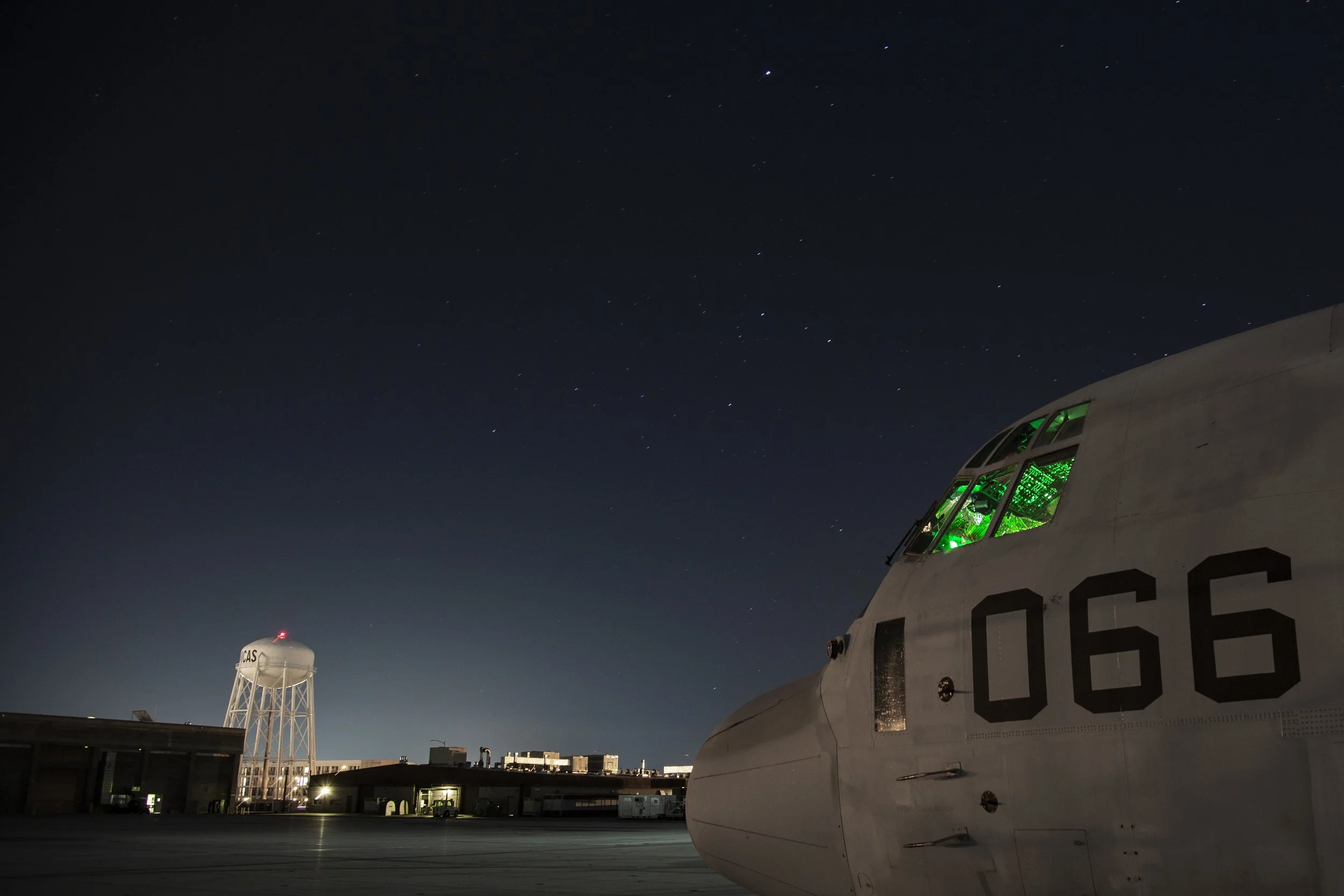
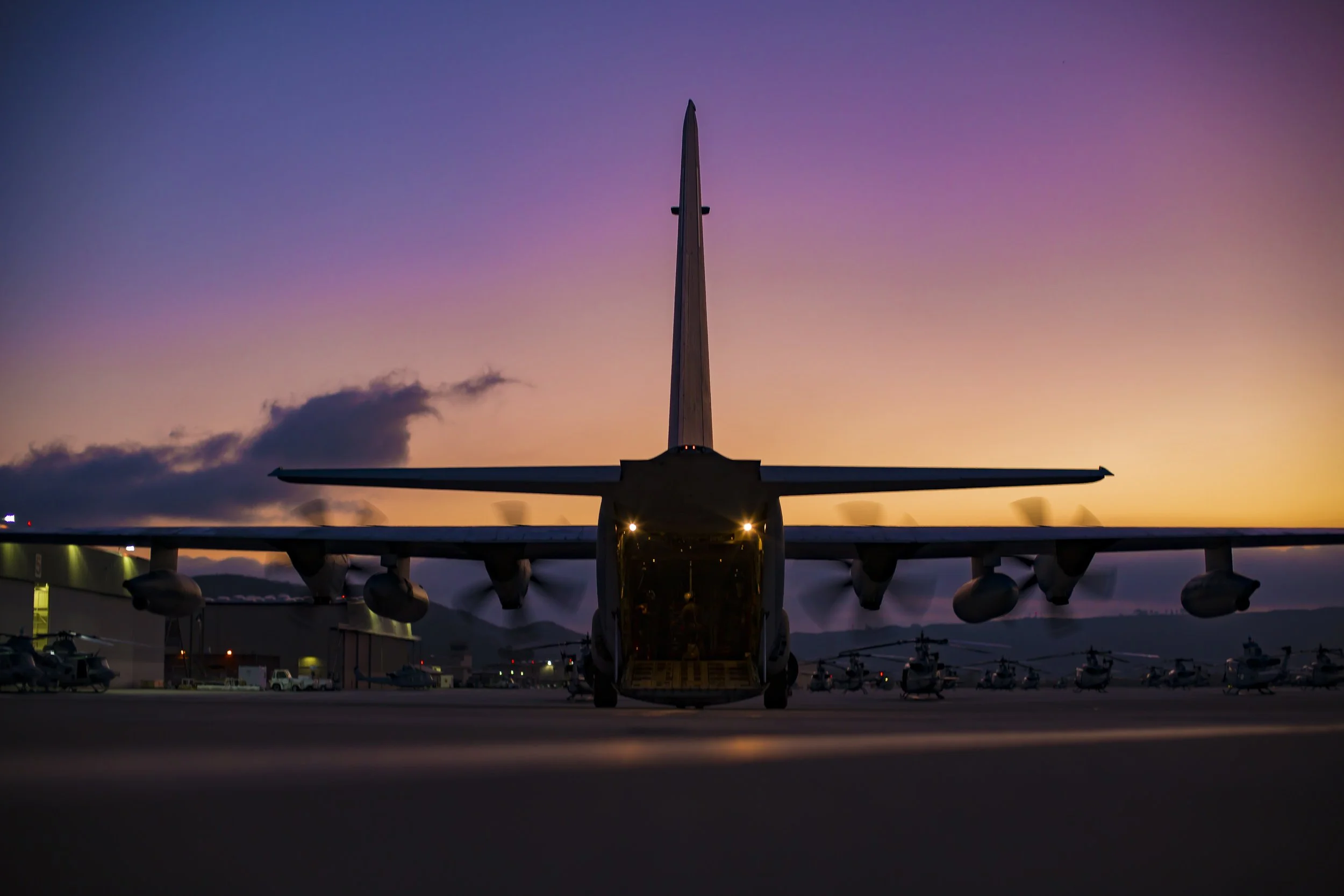
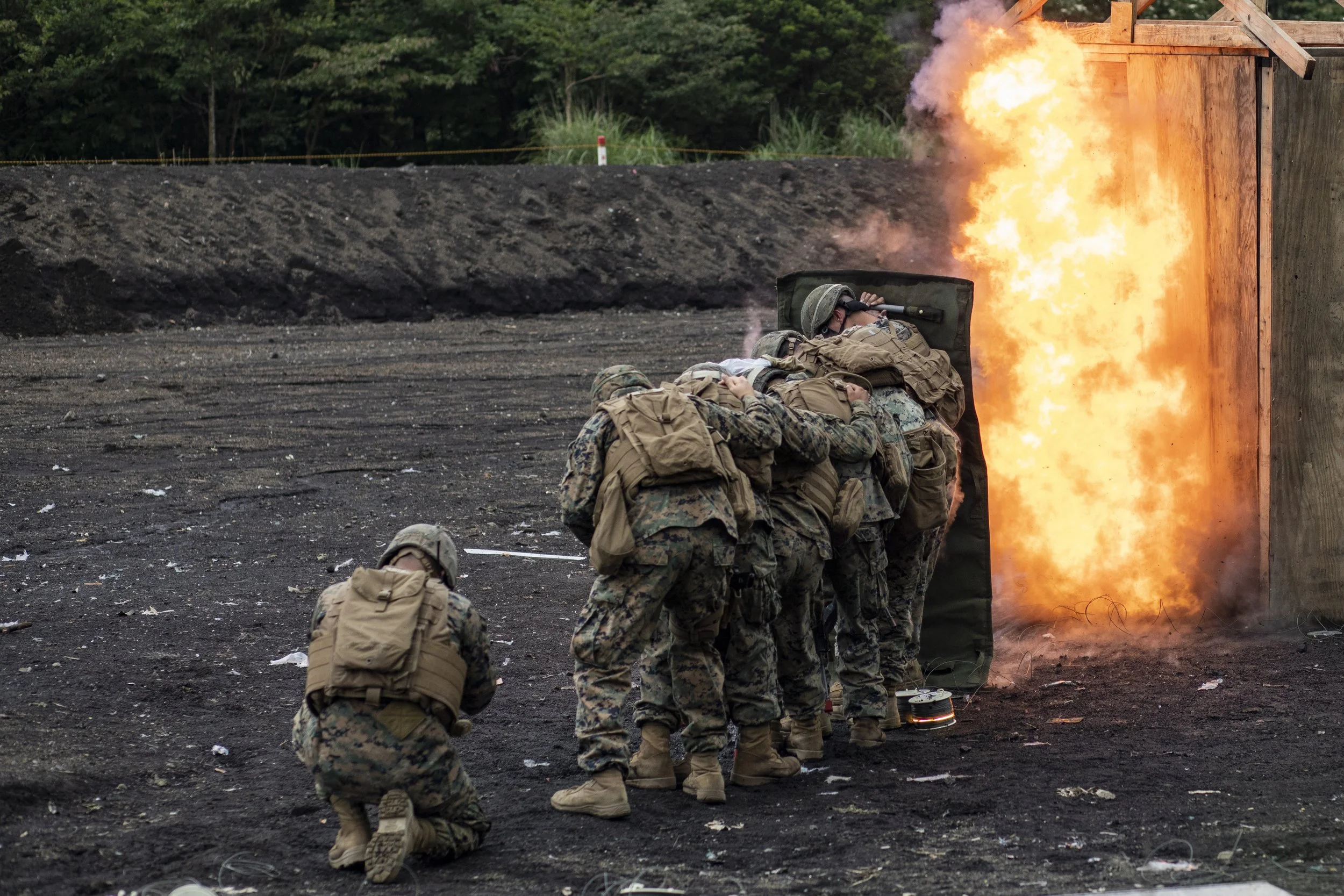
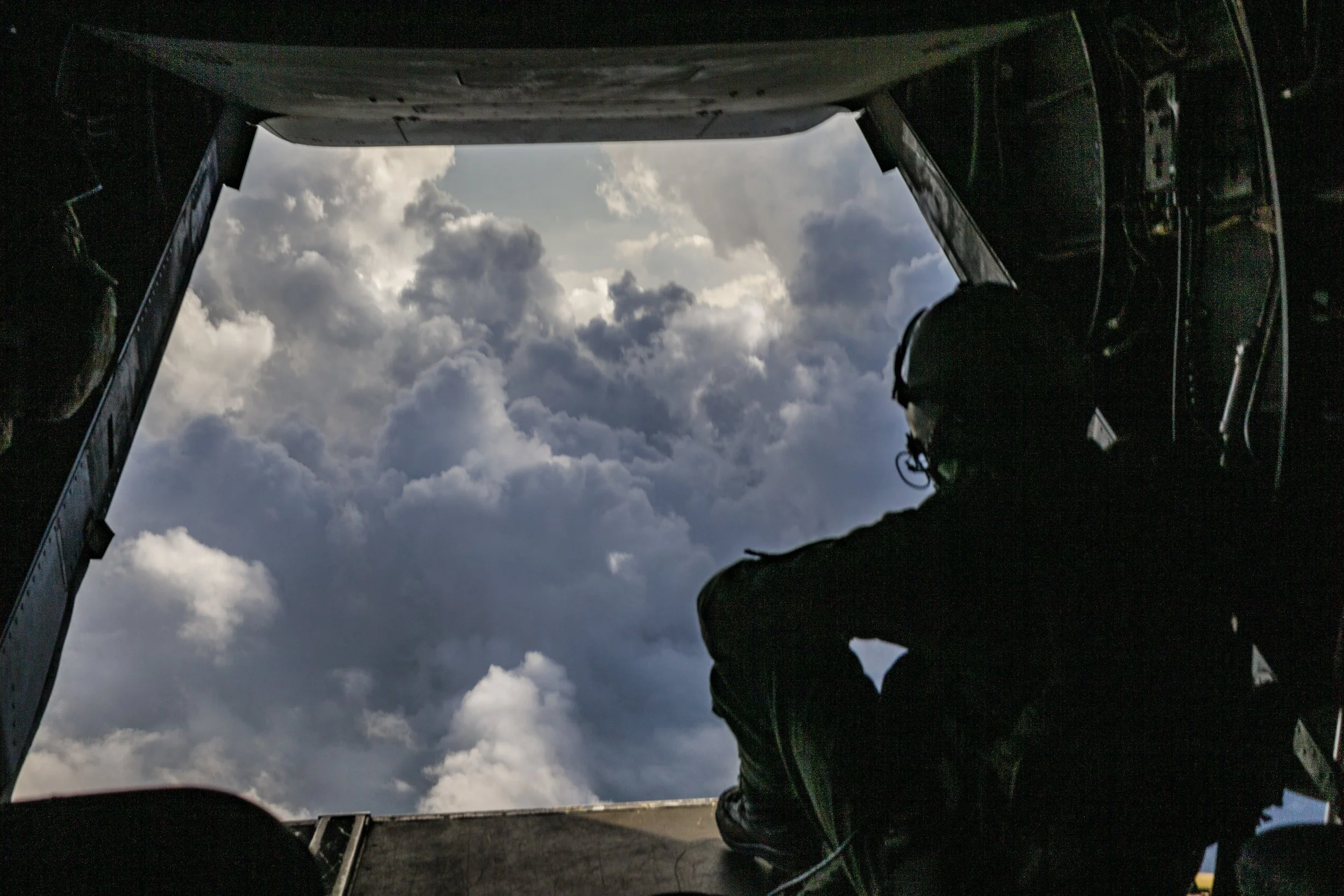
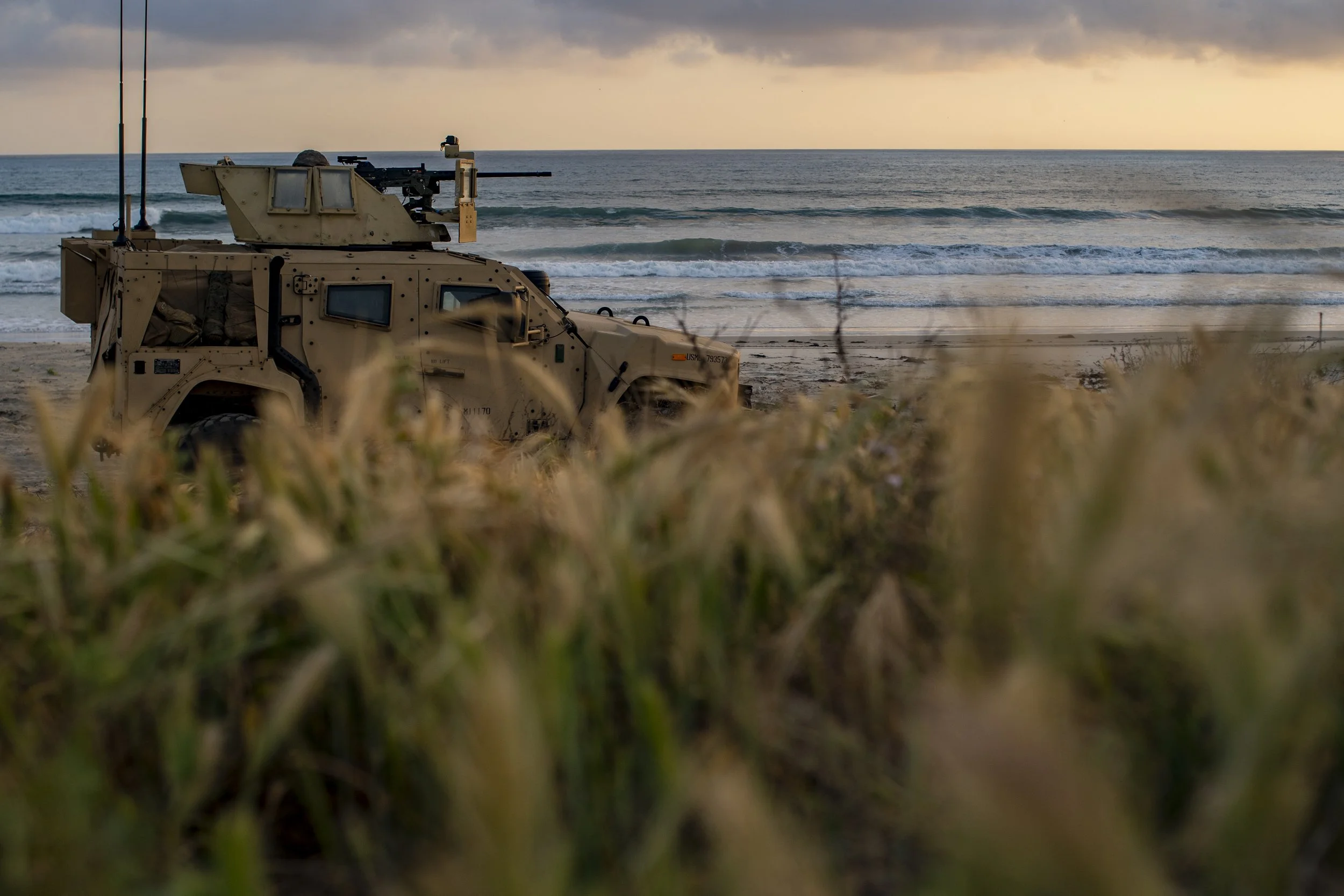
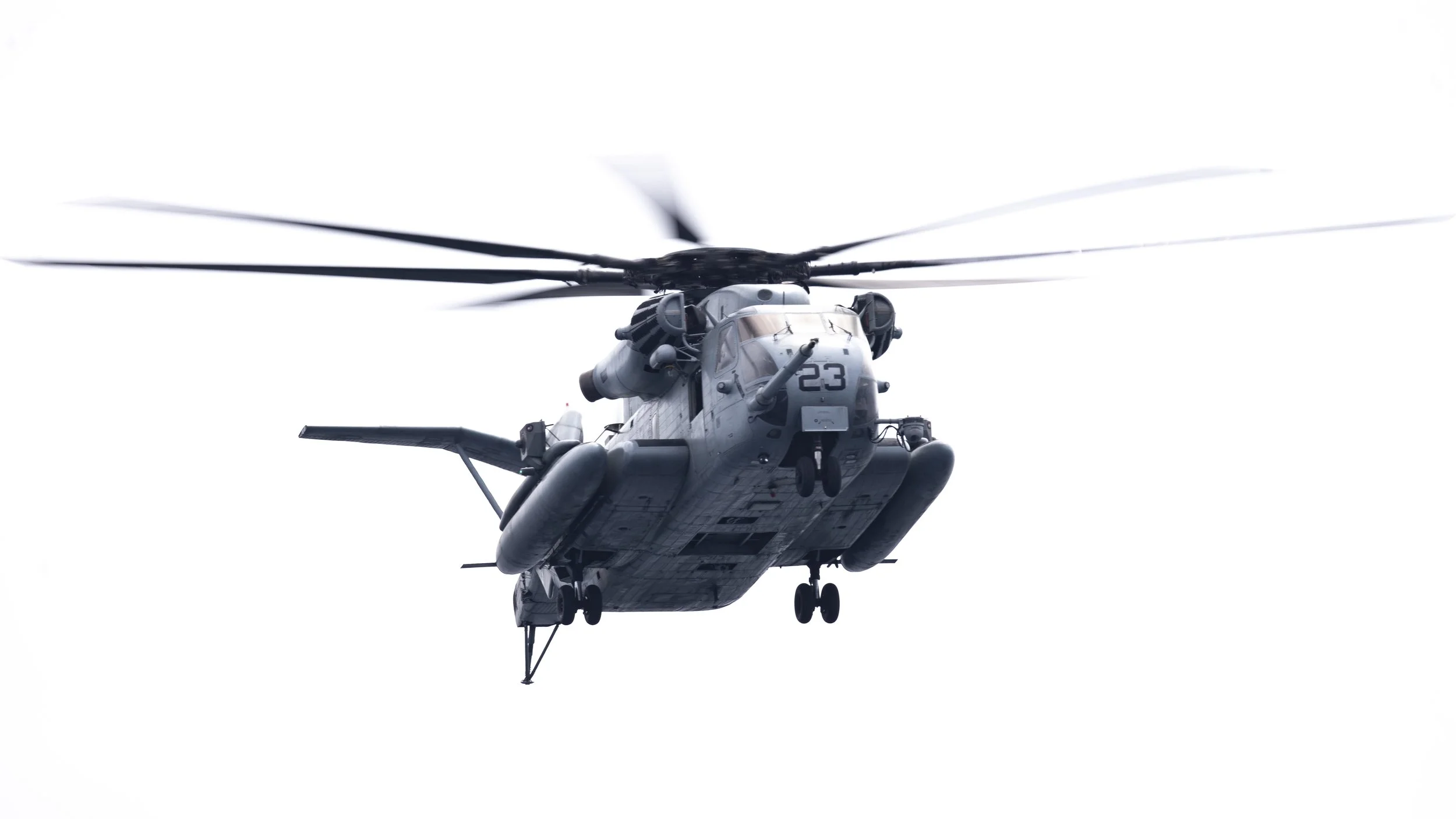
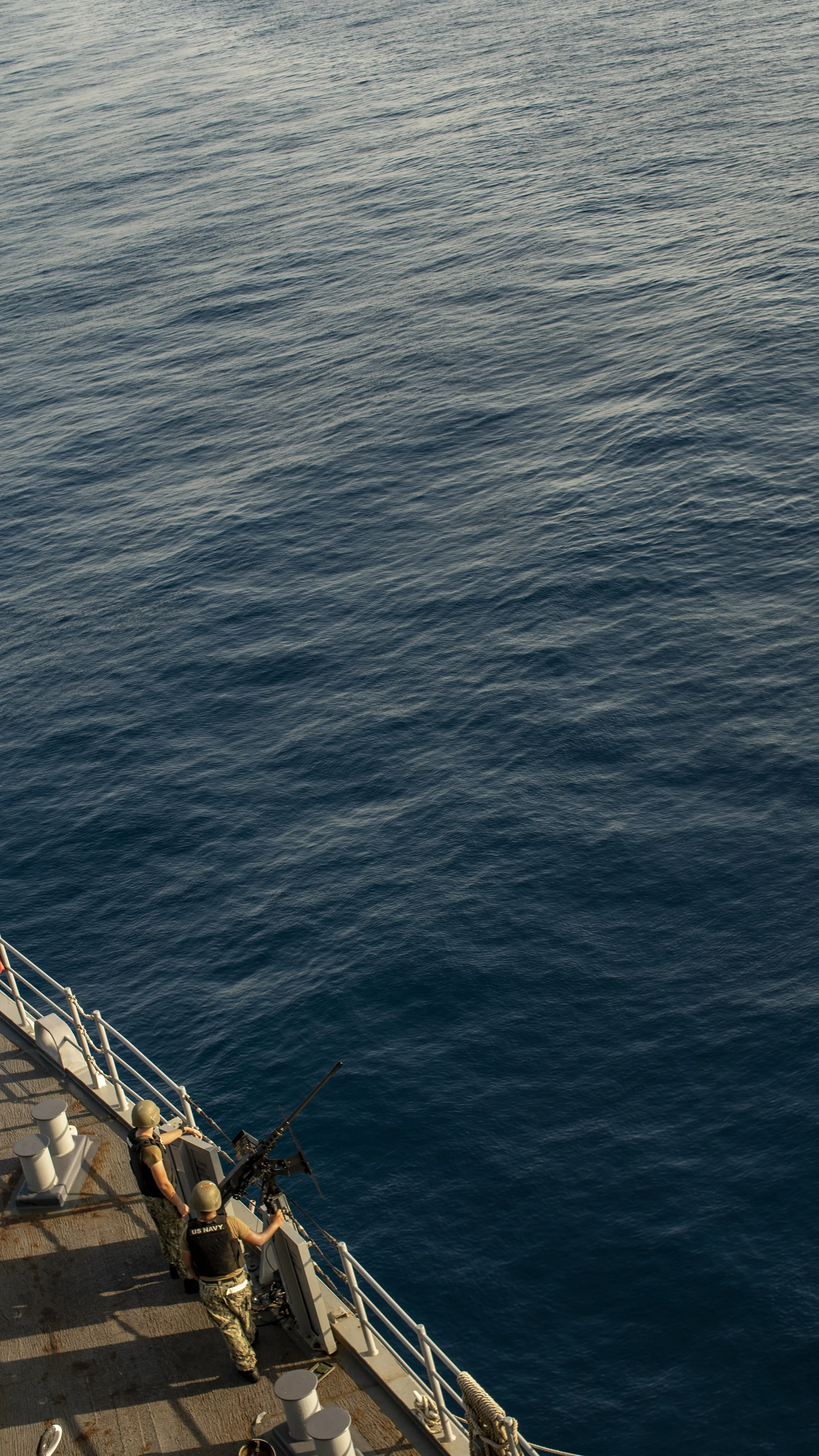
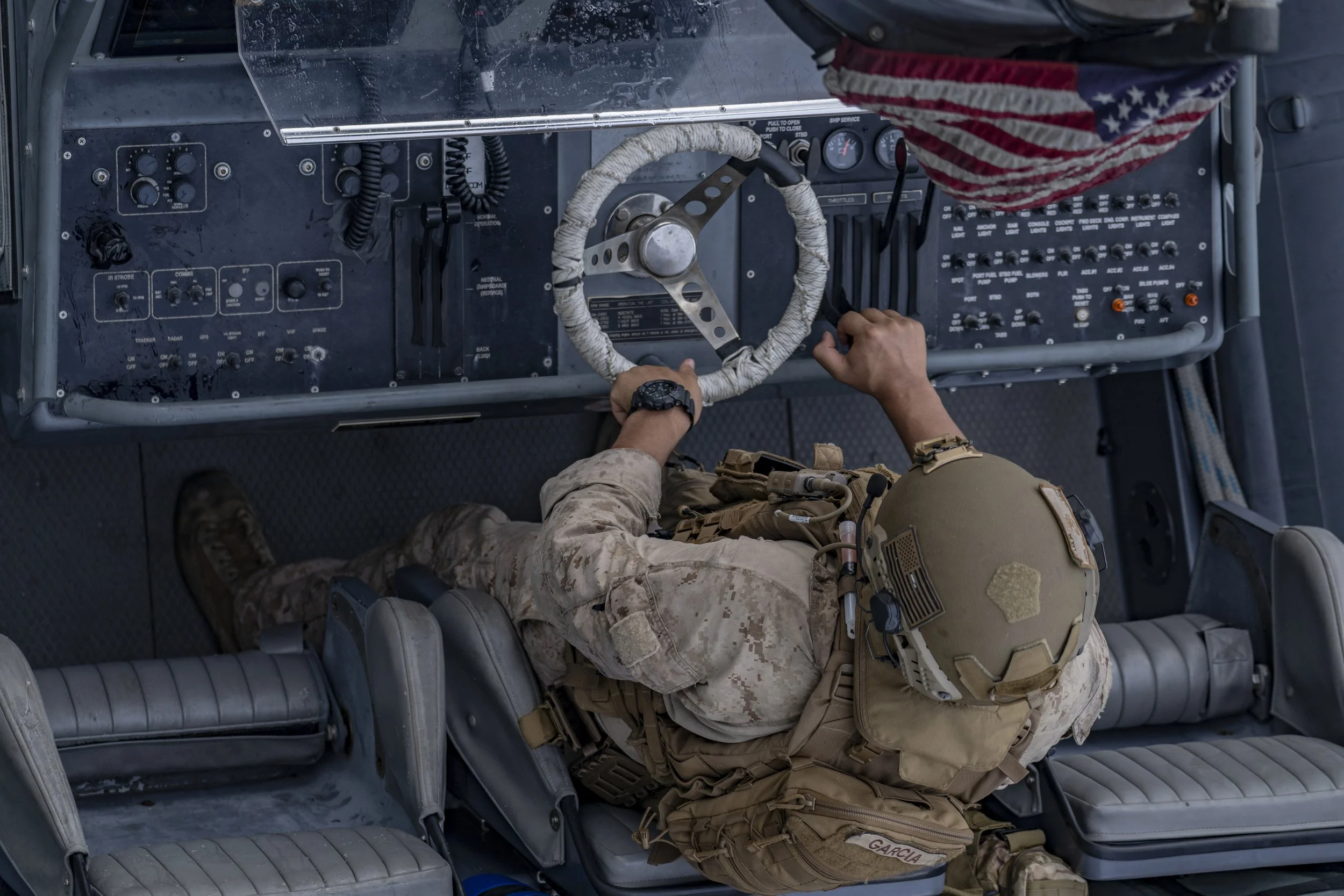
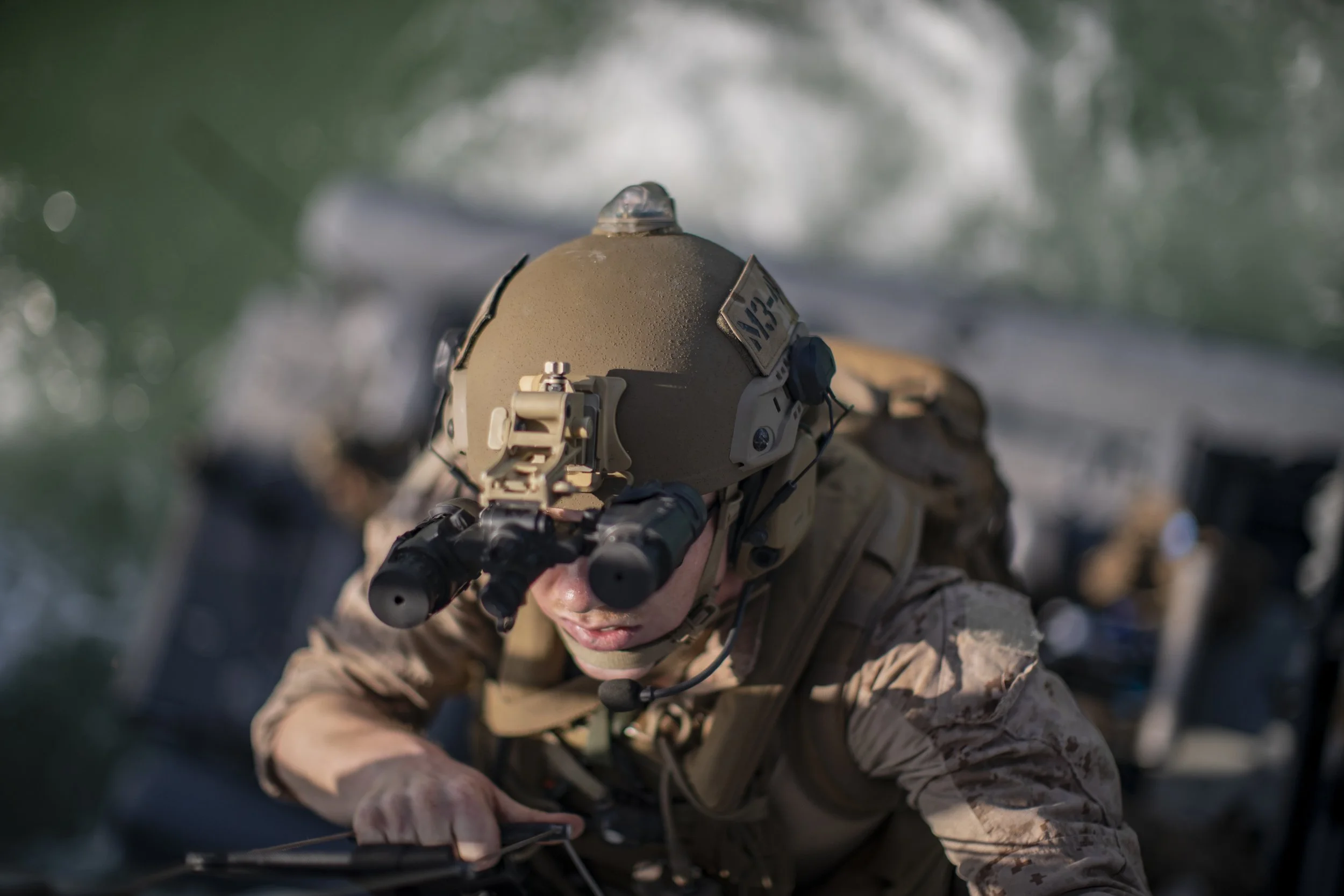
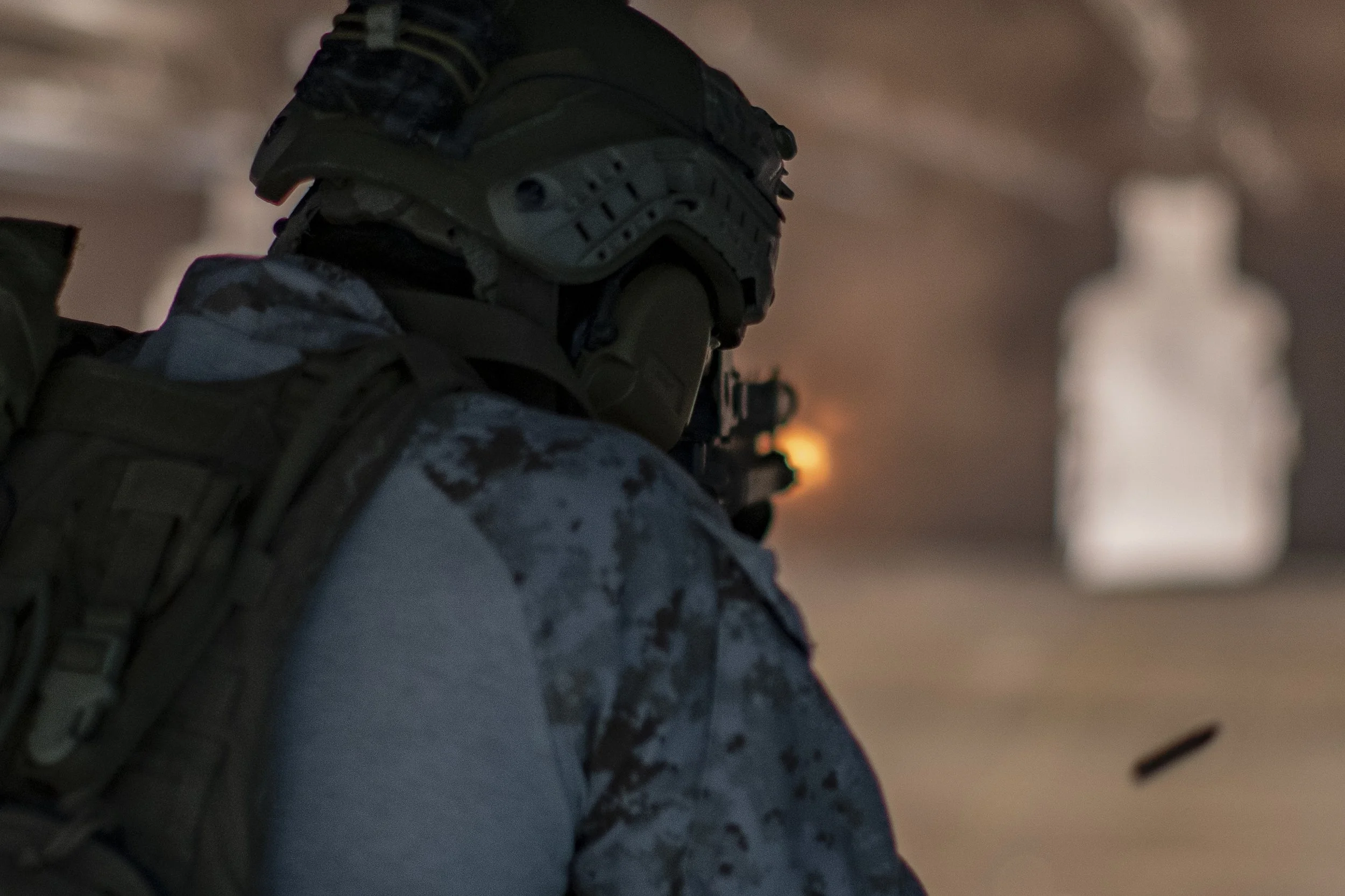
My experience as a combat photographer informs how I approach my research and how I communicate it. All of the imagery on this site is my original work unless otherwise noted or a photo of myself.
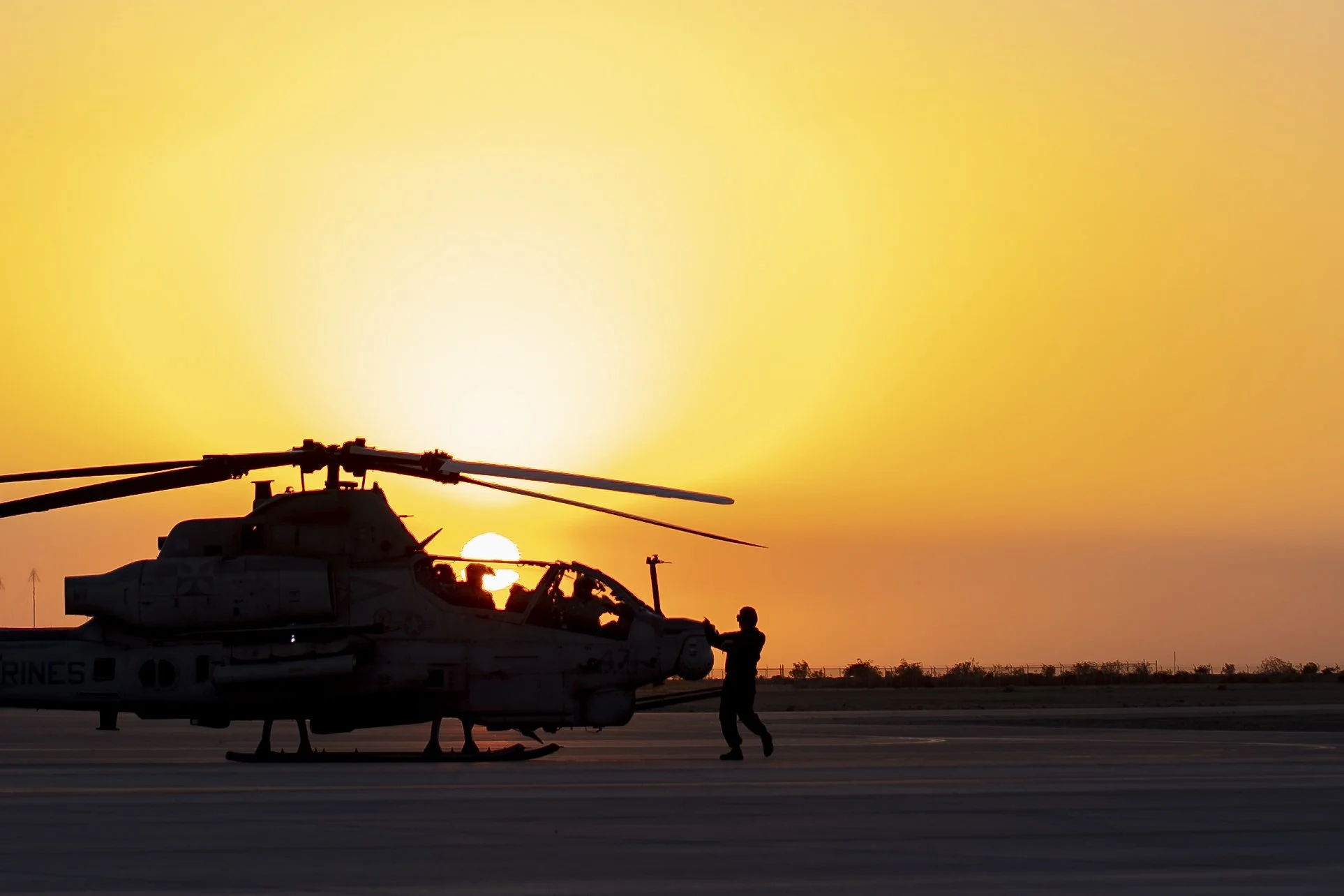
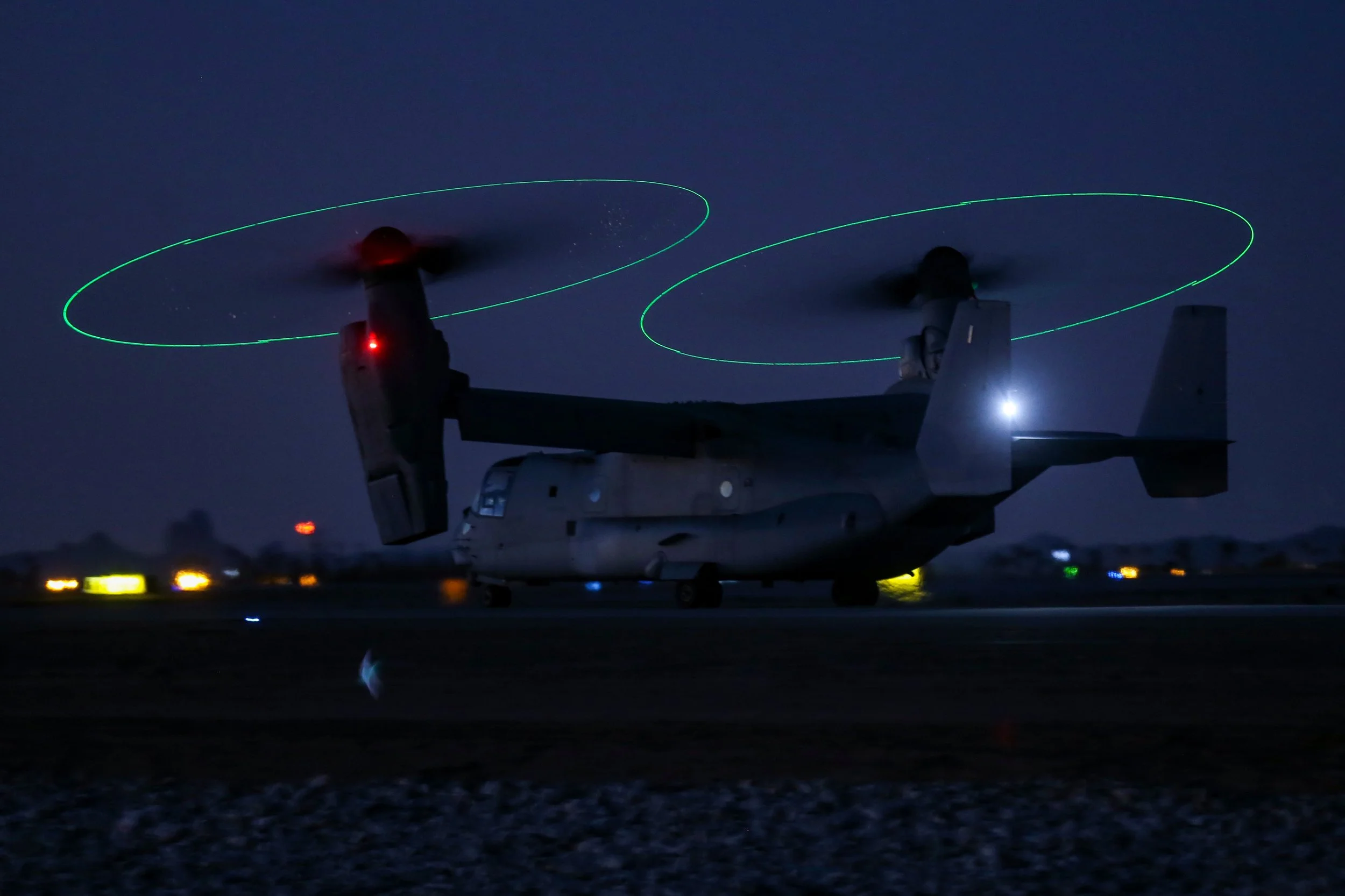
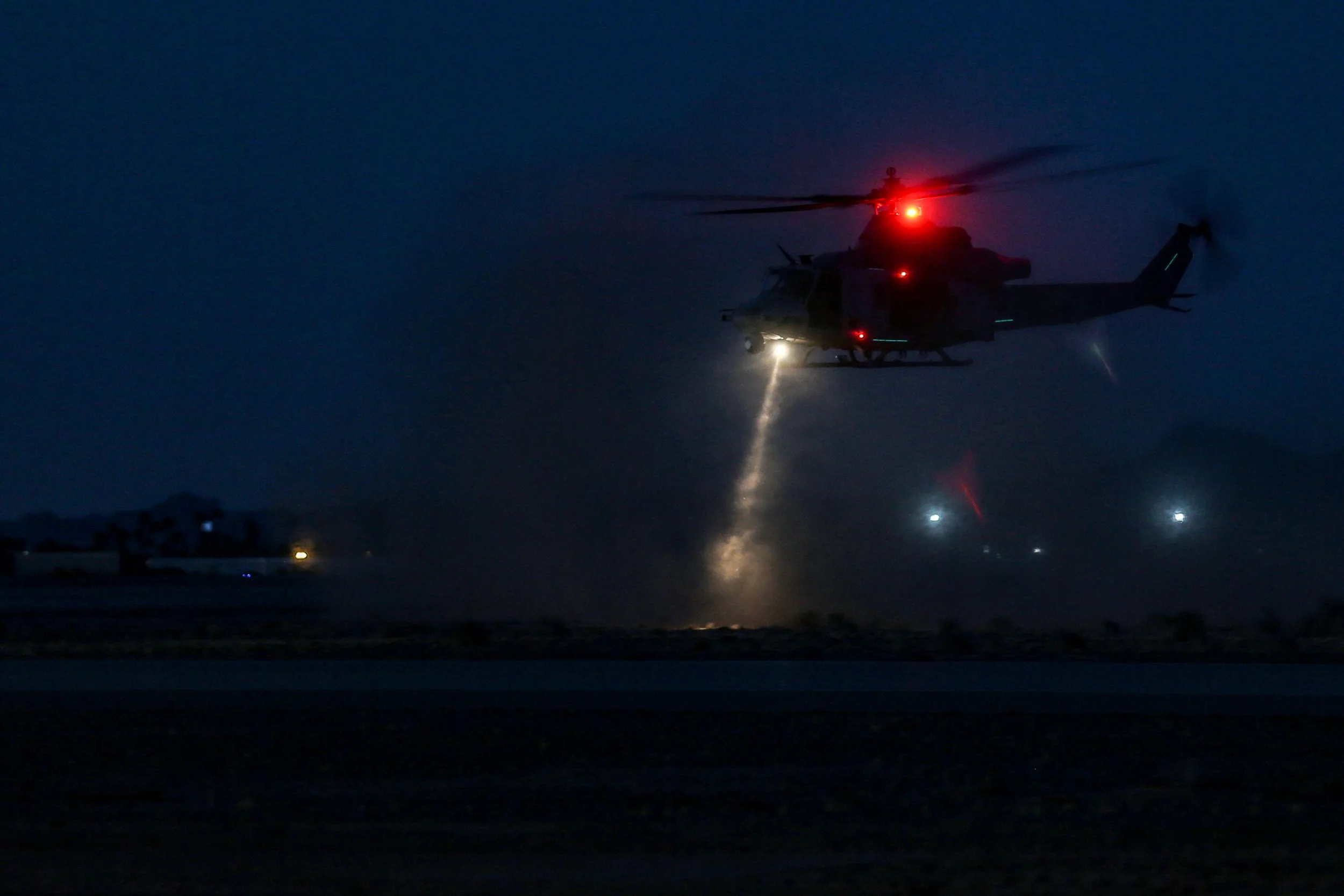
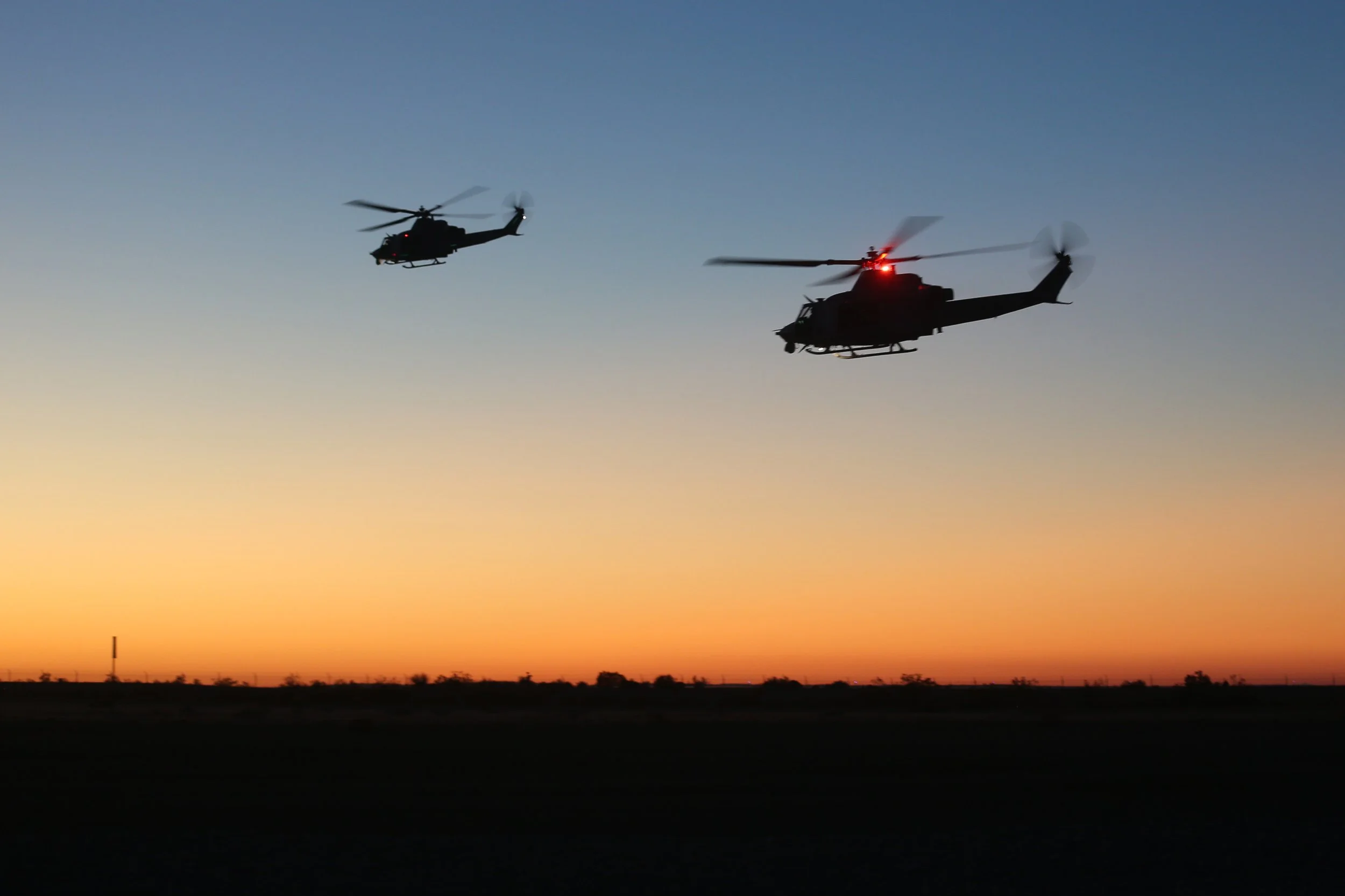
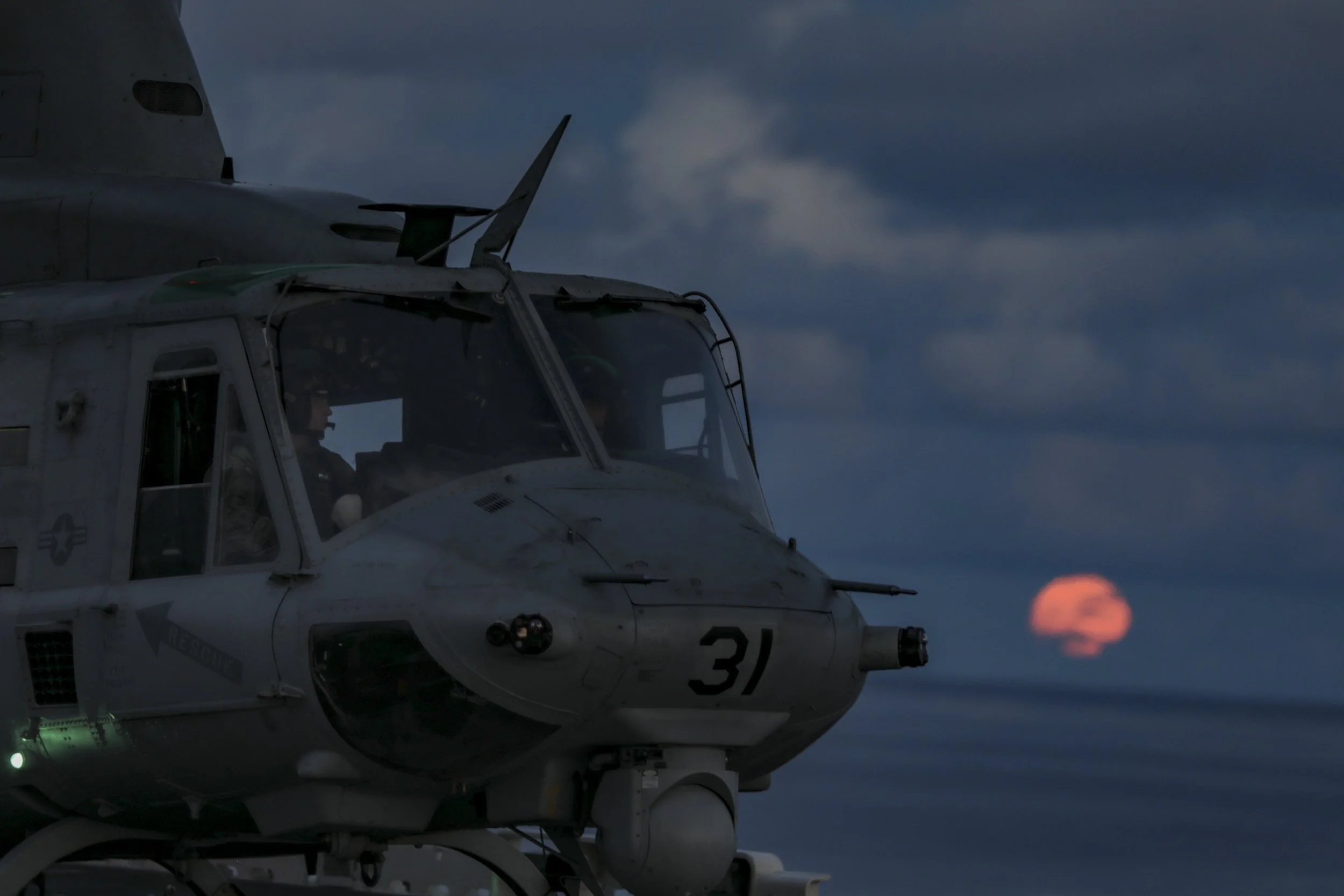
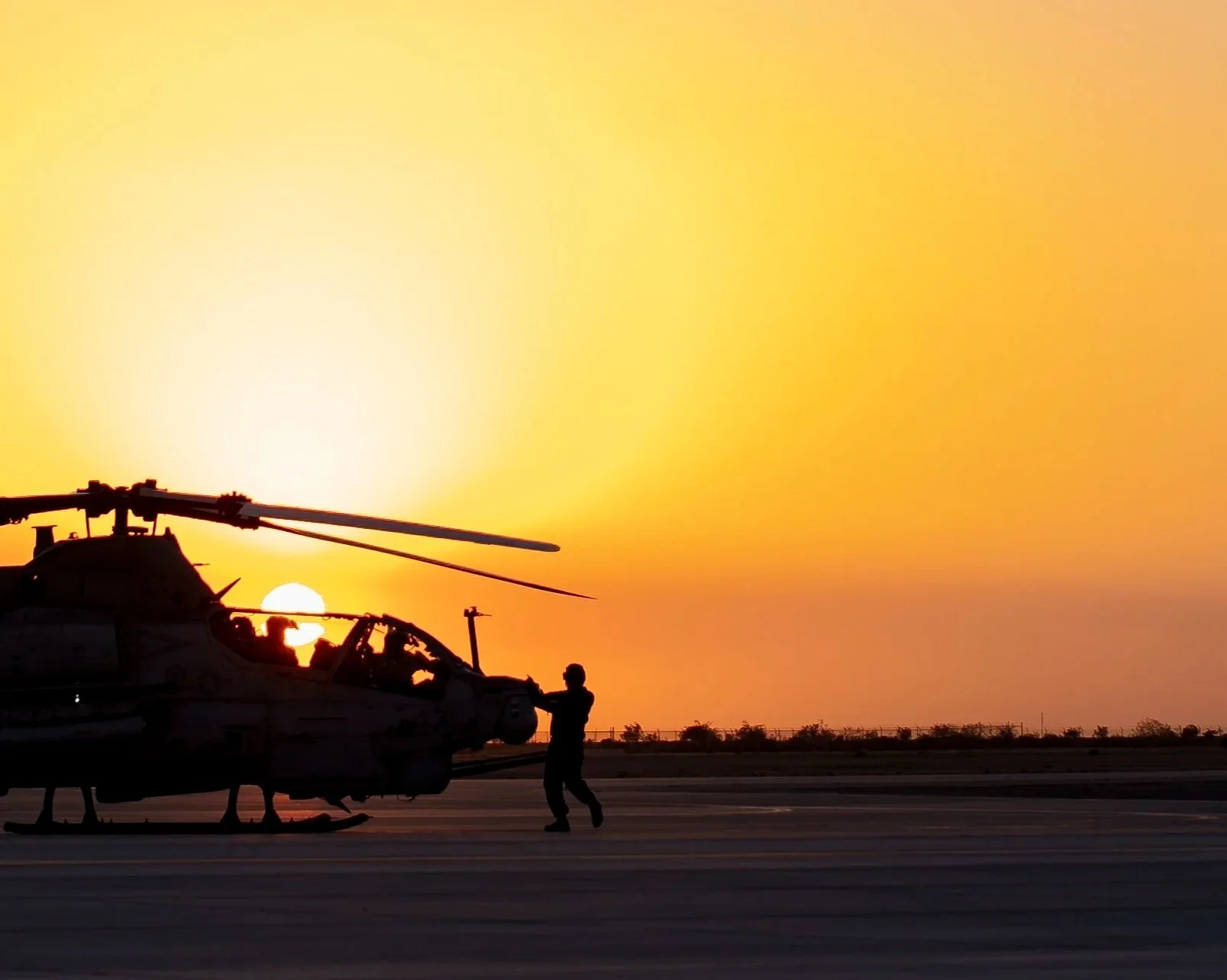
When thinking about power, especially in international relations, many often first think of the military. The images shown here represent an array of abilities that allow the military to create change in various environments and with varying resources. Above, U.S. Marines prepare an AH-1Z Viper (the helicopter) for flight. This aircraft provides a unique ability; it’s the only attack helicopter with fully-integrated air-to-air missile capabilities.

Next, I examine the forms of change, manifestations of power. Through an examination of interpersonal and international interactions which demonstrate how power is manifested and exercised and a review of theories of human interaction with outgroups, I develop a system for understanding power. In this paper, I frame power as abilities which manifest through the physical, social, or cultural world.
2/4
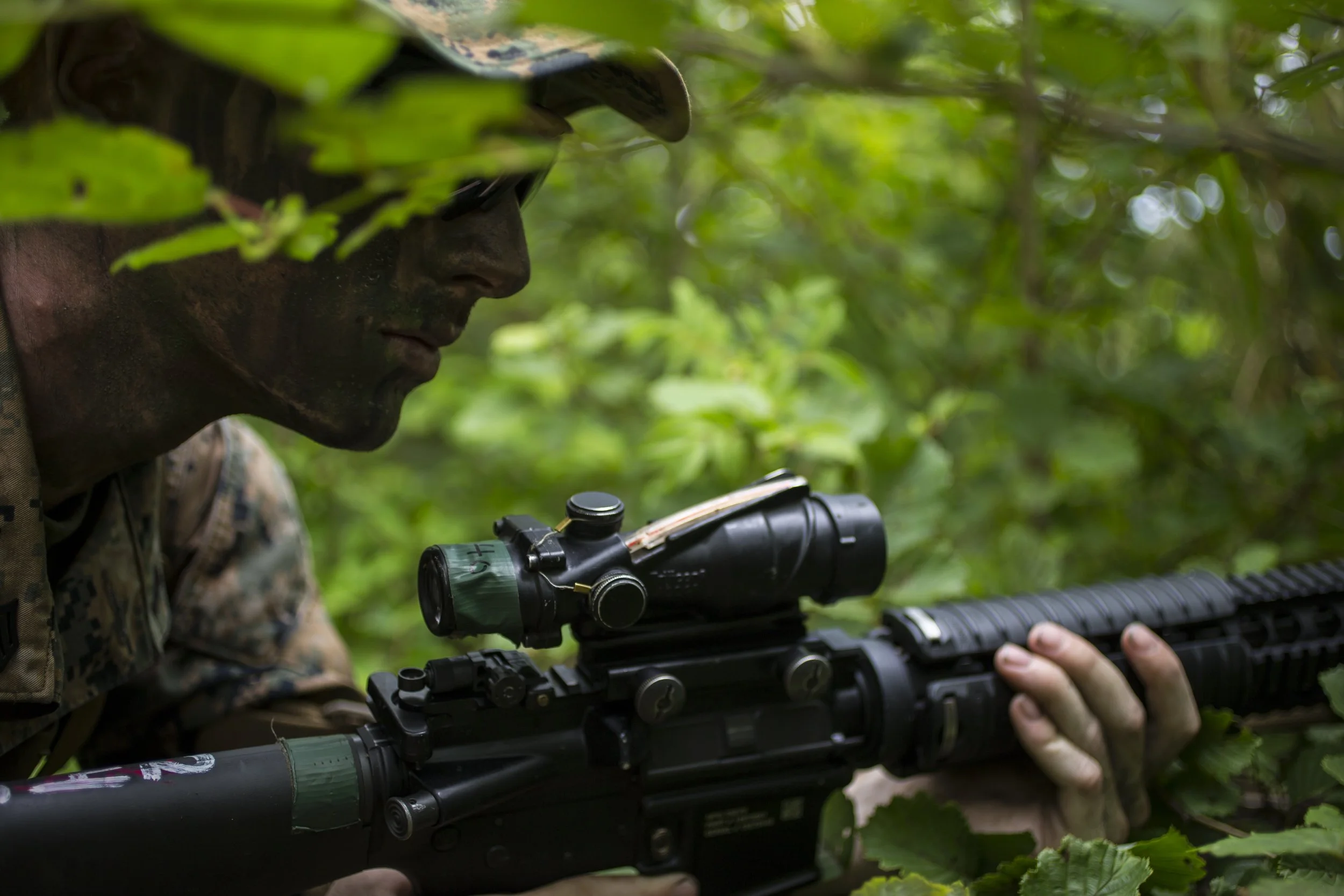
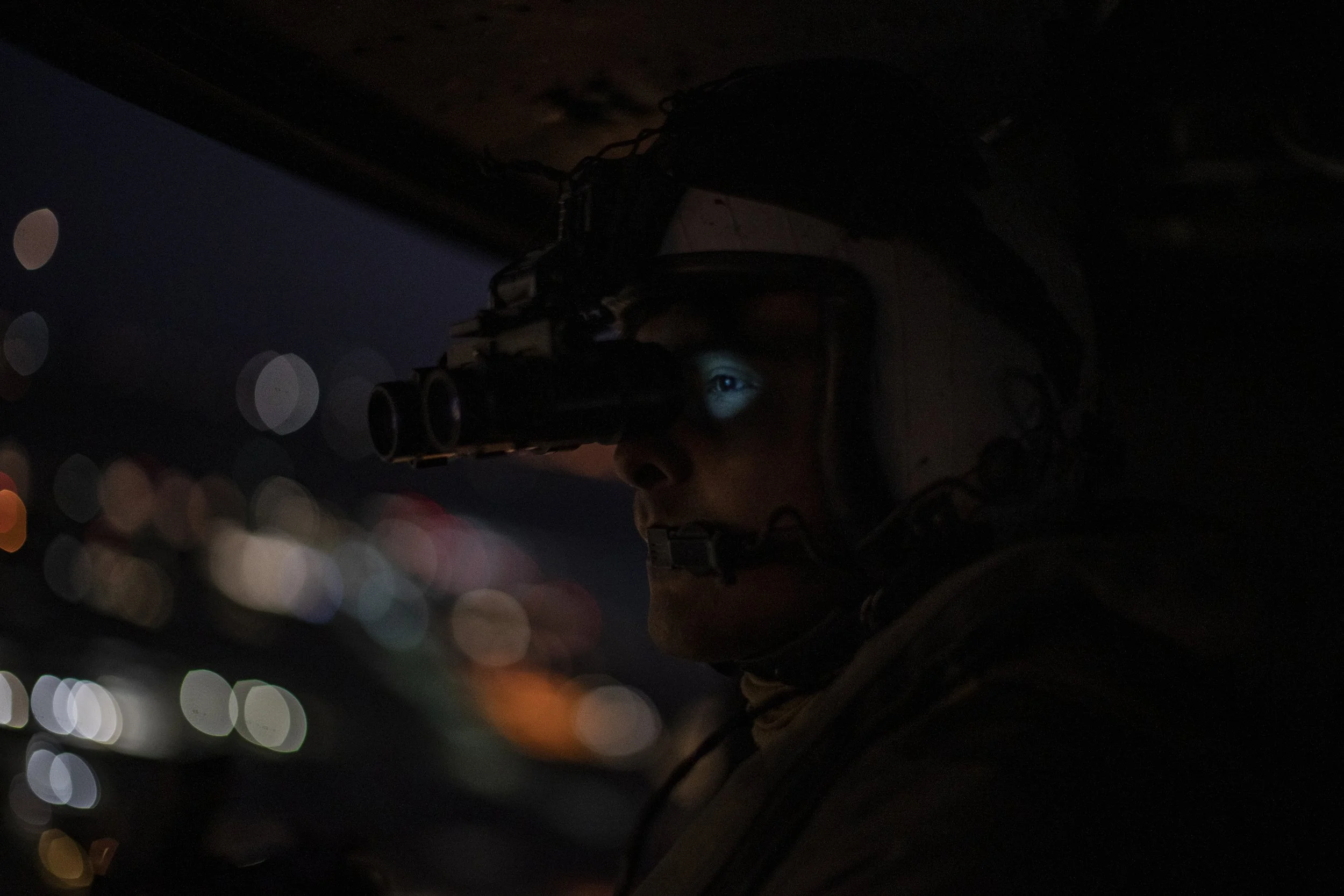
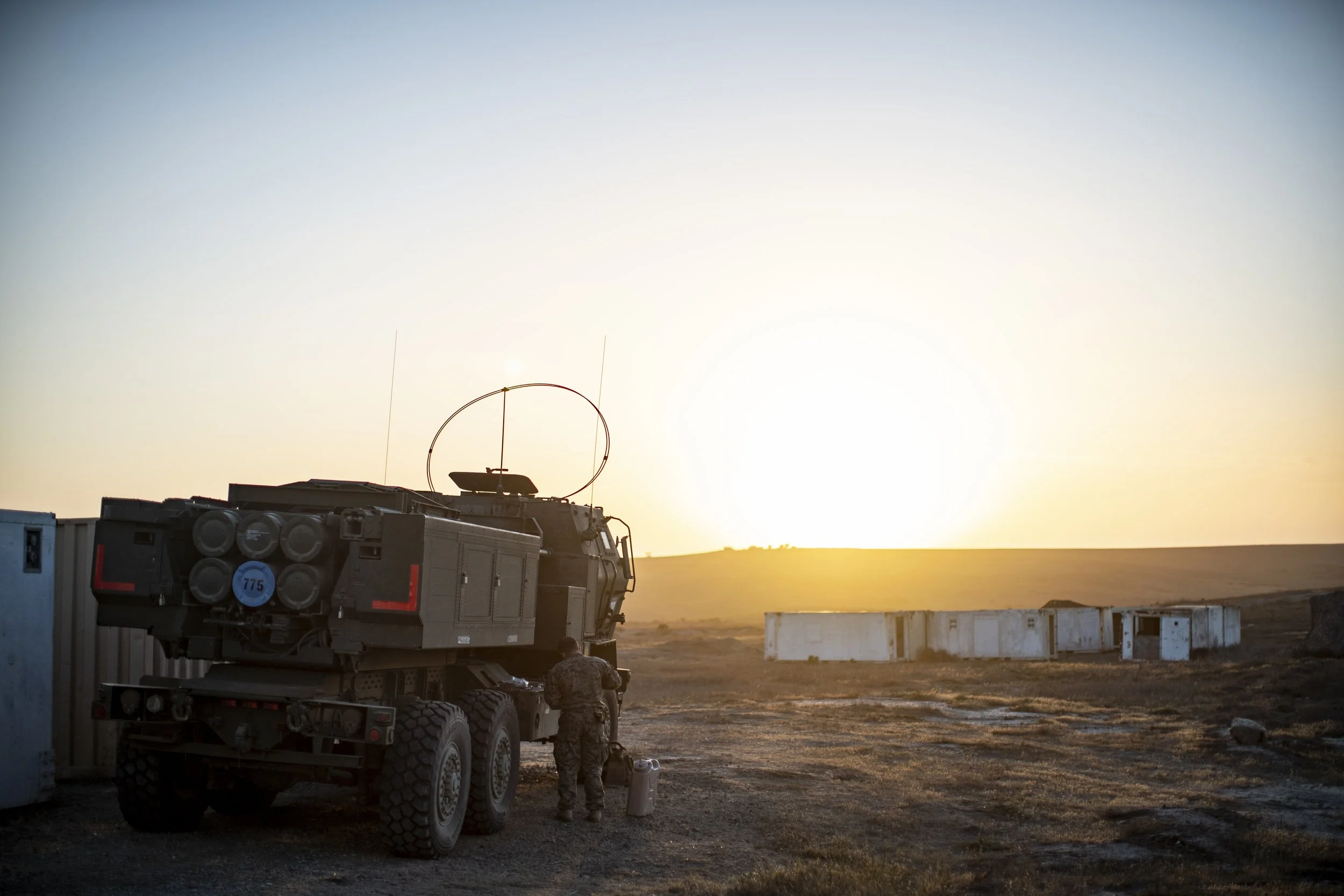
Above is a photo of a friend of mine, taken during a training exercise in Alaska. As a Joint Fires Observer, his job was to direct artillery, aircraft, and other long-range fires from the ground. To do this in a real combat scenario, his small team would enter enemy territory, sometimes camping there for days, observing the target location undetected.

3/4
Using the framework above, I examine power in a case study, the power competition between the U.S. and China in the South China Sea. Though this analysis hardly captures all manifestations of power in this case, it provides a novel look at the abilities great powers use in competition with one another. Perhaps more importantly, it’s a demonstration of the application of the cultural animal theory of power.
Here, U.S. Marines showcase their ability to operate small boats during a training exercise. This ability is essential to success in many operations, like intercepting pirates and human traffickers or recovering aerial surveillance systems intentionally downed in the water.
4/4
In this paper, I build a frame for empirical analysis of power using the theory I’ve developed above. This model not only provides the first step in building comprehensive empirical analyses of power, but demonstrates why power has proven so difficult to measure, and why measures of power have failed to perform reliably across a variety of scenarios.
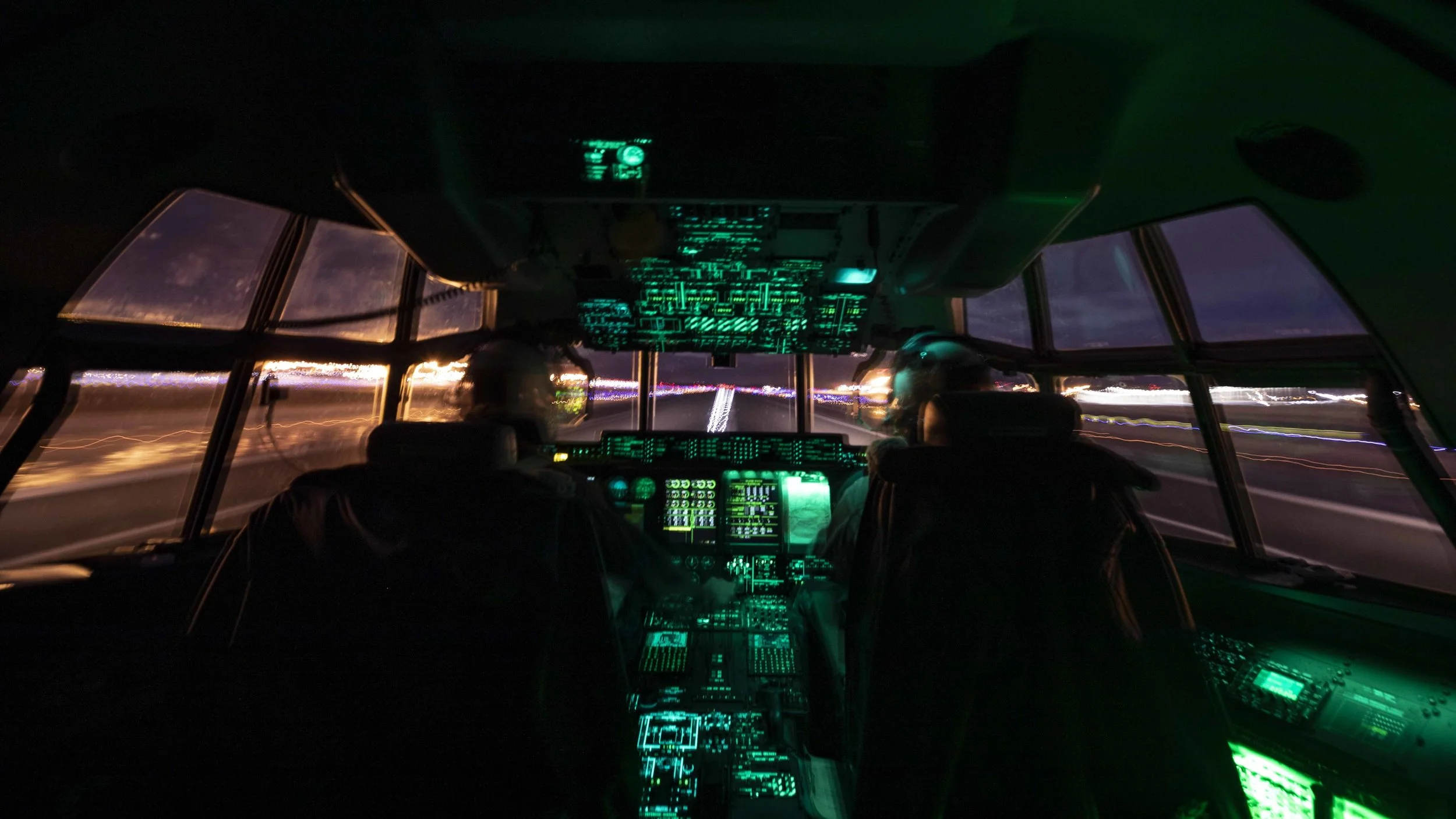
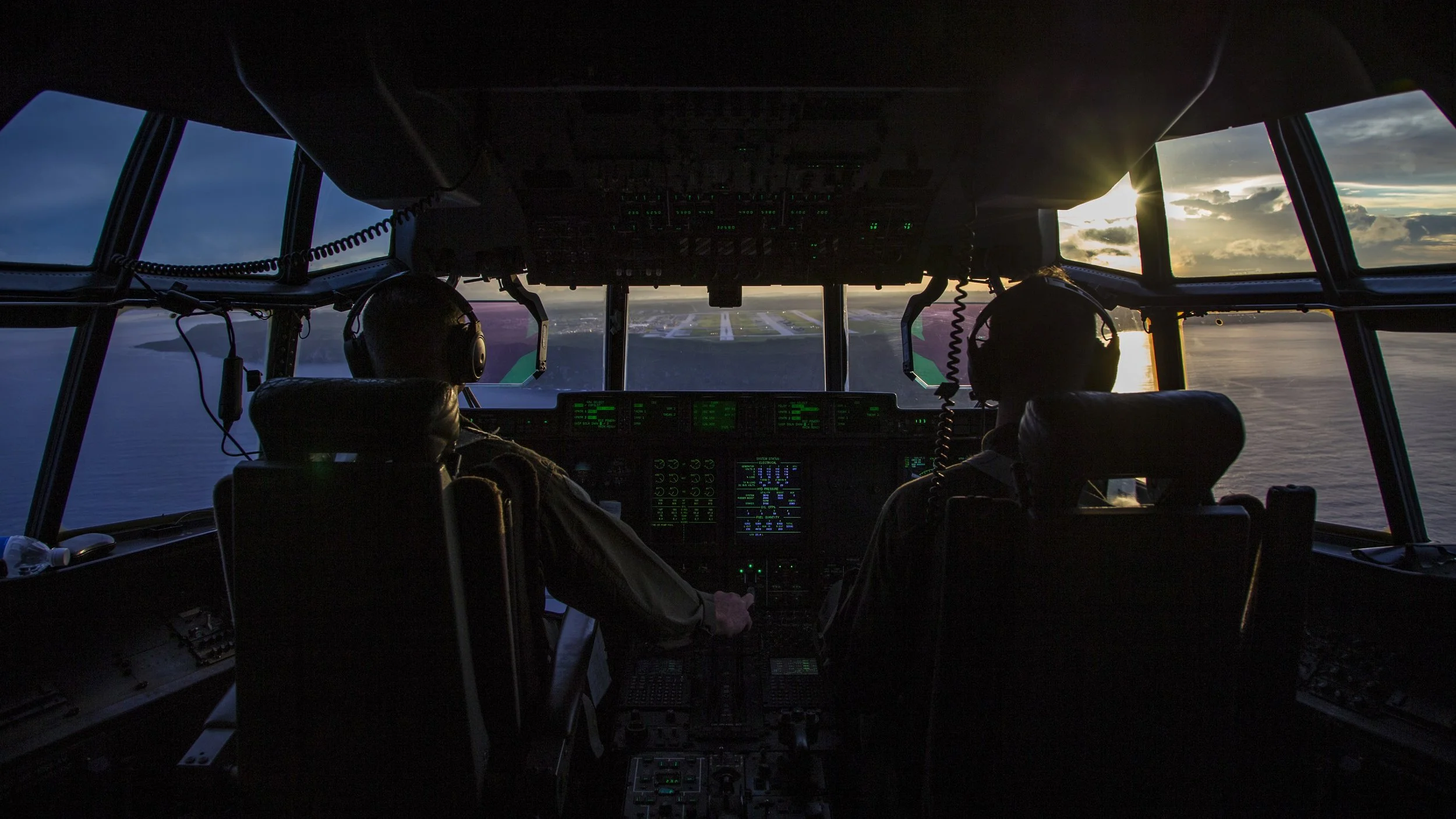
Above, pilots prepare to land a cargo plane on a runway on an island in the pacific. The cargo capabilities presented by units like this are vital to the power of the U.S.
That concludes the list of writings currently planned for this series. Below, I’ve included a collection of my imagery which capture various manifestations of power. Though some, like the above photos, represent the abilities people typically think of when they think of the military, it also includes abilities one might classify as soft power, like diplomatic relations, community relations events, or my job: photography.